
Liturgical Living Made Simple: A Stress-Free Approach for Preschoolers
When you first start looking into liturgical living, it’s easy to feel overwhelmed by the sheer number of feast days and devotions. Every day on the calendar seems to bring a new saint or celebration. If you’re like me, you’ve probably tried to keep up at some point, only to realize by mid-month that you can’t sustain the pace. The beauty of the Catholic faith is its rich calendar of celebrations, but let’s face it—when you’re a busy parent of preschoolers, it can feel like too much.
That’s why at All Saints Play, we focus on a big-picture approach to liturgical living. Instead of feeling like you need to celebrate every feast day perfectly, we focus on something more manageable: the Monthly Devotions. It’s a slower, more intentional way to live out the faith, giving your family the time and space to enjoy each month’s theme without pressure.
Why Focus on Monthly Devotions?
There’s a reason we love this approach: it’s simple, flexible, and doable—even for the busiest families. By focusing on a single devotion each month, you create a consistent rhythm for your family without feeling like you’re constantly playing catch-up with the liturgical calendar. Here are a few benefits:
1. It Simplifies Your Routine
Let’s be real—life with preschoolers is busy enough! Focusing on the Monthly Devotion gives you one main theme to return to throughout the month. No need to scramble to prepare new activities or crafts every few days. You can take your time and repeat simple activities without worrying about what’s coming next.
2. It Builds Consistency
Preschoolers thrive on routine. When you focus on one theme for the entire month, they start to understand and remember it. They’ll recognize the colors, songs, and prayers associated with that month’s devotion because they have time to absorb it.
3. It’s Less Overwhelming
Trying to celebrate every feast day can leave you feeling drained (and maybe a little guilty when you inevitably miss one). With this approach, you’re giving yourself permission to slow down and focus on quality over quantity. You don’t have to do it all—you just have to show up and do what you can.
What Are the Monthly Devotions?
If you’re new to Monthly Devotions, here’s a quick breakdown of what they are and how they fit into the Church’s year:
-
January: The Holy Name of Jesus
-
February: The Holy Family
-
March: St. Joseph
-
April: The Blessed Sacrament
-
May: The Blessed Virgin Mary
-
June: The Sacred Heart of Jesus
-
July: The Precious Blood of Jesus
-
August: The Immaculate Heart of Mary
-
September: The Seven Sorrows of Mary
-
October: The Holy Rosary
-
November: The Souls in Purgatory
-
December: The Immaculate Conception
Each devotion highlights an important aspect of our faith, making it easy to center your family’s prayers and activities around a single theme for the month.
How to Teach Monthly Devotions to Younger Kids (Toddlers, Preschoolers, & Kindergartners)
Once you’ve decided to focus on the big picture, the next step is figuring out how to teach these devotions to your littles in a way that’s fun, simple, and meaningful. The goal isn’t to create a Pinterest-perfect activity every day—it’s about finding small, manageable ways to bring faith into their daily lives and hearts. Here are a few ideas to help you get started:
1. Use Visuals
Younger kids are incredibly visual learners—they’re drawn to colors, shapes, and pictures. Using visuals can help them connect with the Monthly Devotion in a way that feels engaging and fun. Here are a few ways to incorporate visuals into your routine:
-
Color-Coded Seasons: Help your kids associate the different seasons of the Church with specific colors. Use purple for Advent and Lent, green for Ordinary Time, white for Christmas and Easter, and red for feast days of martyrs. You could display colored ribbons or use themed placemats during mealtime to remind them of the current season.
-
Monthly Calendar: Create a simple monthly calendar that highlights the devotion and key feast days. Let your kids help decorate it with stickers or drawings. This gives them a hands-on way to interact with the month’s theme and also builds excitement as they see what’s coming up.
-
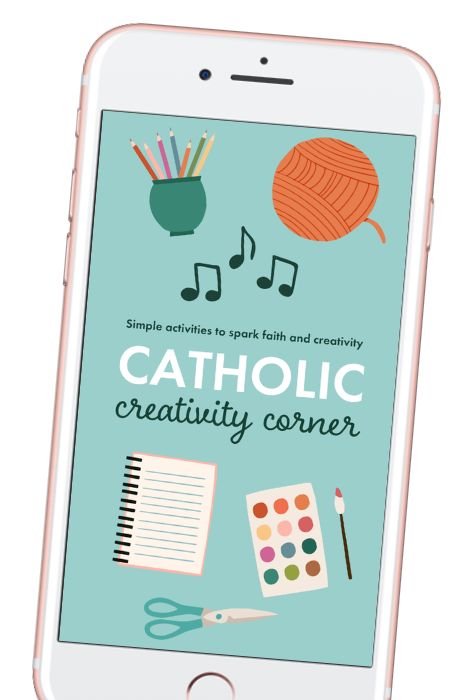
Crafts: Crafts are a great way to reinforce the devotion in a hands-on way. For January, try making a Holy Name of Jesus craft or create a name banner where they decorate their own name while learning how special Jesus’ name is. Don’t forget to grab our free Holy Name of Jesus Paper Craft to kick off January’s devotion! It’s available now in the Catholic Creativity Corner.
2. Introduce a Bible Verse or Prayer
Preschoolers may be small, but their ability to memorize short verses and prayers is amazing. Repeating a simple Bible verse or prayer each day can help them connect with the devotion in a way that sticks. The key is to keep it short, sweet, and repetitive so they can pick it up naturally.
-
For January’s devotion to the Holy Name of Jesus, you might teach them a simple prayer like: “Blessed be the Name of Jesus, now and forever!”
-
You can also introduce a Bible verse that they can memorize over the course of the month. For January, a great option is Proverbs 18:10: “The name of the Lord is a strong tower; the righteous run to it and are safe.”
Keep it lighthearted and fun—say it together during morning time, bedtime, or even while driving in the car.
3. Sing a Hymn
Music is one of the best tools for teaching the faith. Preschoolers love songs, and they naturally memorize lyrics through repetition. By choosing a hymn that matches the Monthly Devotion, you not only reinforce the theme but also create a joyful atmosphere in your home.
For January’s devotion to the Holy Name of Jesus, you could listen to hymns that honor his name like Jesu Dulce Memoria. Learning about the monthly devotion and some Latin is a bonus! Look over the English translation to understand the meaning behind the hymn. And if you’re looking for a way to take your music time to the next level, check out our Holy Name of Jesus Mini Music Study in the Catholic Creativity Corner.
4. Read Stories
Most children love stories—if your family is one of them, this can be a great option for you! Reading stories about the Monthly Devotion or related saints can help bring these themes to life in a way that’s relatable and memorable.
If you don’t have storybooks that fit the devotion on hand, don’t worry! There are plenty of resources online that are easy to access.
5. Incorporate Sensory Play
Younger kids love anything hands-on, so incorporating sensory play into your monthly devotion activities can be a big hit. Sensory activities help kids engage with the theme in a way that’s fun and tactile:
-
Create a sensory bin with items that match the devotion.
-
Make playdough mats with symbols of the devotion. Let them roll, squish, and shape their playdough while you talk about what the devotion means.
-
For a super simple activity for the Holy Name of Jesus, let them trace their name and Jesus’ name with their finger in a tray of flour or salt. This can be a fun way to talk about how special names are while giving their little hands something to do.
Make It Joyful and Manageable
The key to teaching Monthly Devotions to younger kids is to keep it joyful, simple, and manageable. You don’t need elaborate crafts or perfectly planned lessons—just small, meaningful moments that help your children experience the beauty of the faith. Whether it’s singing a hymn during breakfast, reading a short story before bed, or doing a quick craft on a lazy afternoon, these little efforts add up to something big.
And remember: it’s okay to keep it imperfect. Life with toddlers and preschoolers is messy, unpredictable, and full of surprises. Some days you’ll manage a full activity; other days, you’ll be doing well just to say a quick prayer before bedtime. Both are beautiful, and both are enough.
A Simple Routine for Liturgical Living
You don’t need a complicated schedule to bring liturgical living into your home. In fact, the simpler, the better! Here’s a routine that works well for many families:
Morning Time
-
Say a short prayer or Bible verse that ties into the monthly devotion.
-
Sing a hymn.
Activity Time
-
Choose one simple activity or craft related to the devotion. Remember, it doesn’t have to be fancy—a coloring page or video works just fine! Juice Box is one of our favorite Catholic Youtube channels that always has on-theme videos for the time of year!
Bedtime
-
End the day with a short prayer for the monthly devotion. Hallow is great for this!
By repeating this routine each day or each week, you’ll naturally build a faith-filled rhythm into your family’s life.
You're Doing Great
If you’ve ever felt like you’re not doing enough when it comes to teaching your kids the faith, let me remind you: you’re doing great. Even the smallest effort makes a difference. Whether it’s a quick prayer in the car, a song before dinner, or a five-minute craft after lunch, what matters most is that your kids see and feel your love for the faith.
This big-picture approach isn’t about perfection—it’s about creating space for faith to grow in your family, without the stress of trying to do it all.
Final Thoughts
Teaching the Liturgical Year to preschoolers doesn’t have to be overwhelming. By focusing on the Monthly Devotions, you can bring faith into your home in a way that feels natural, joyful, and sustainable. Remember, it’s about building small, meaningful moments that help your children encounter Jesus.
If you’re interested in more ideas for simple, big-picture liturgical living, check out our Catholic Creativity Corner for free and premium printables. And if you’re ready to simplify your daily routine even more, our Catholic Morning Menu offers easy-to-use tools for teaching Bible memory verses, catechism facts, and hymns—one month at a time.
You’ve got this!